SEO Services Explained: A Complete Introduction to Modern Search Engine Optimization
Search engines have become the primary gateway through which users discover information, products, and services on the internet. Businesses that want to succeed online must ensure that their websites appear prominently in search engine results. This is where SEO services play a critical role. SEO services encompass a collection of strategic practices designed to improve a website’s visibility in organic search results.
Modern search engine optimization has evolved into a complex discipline that blends technical expertise, content strategy, and user experience optimization. According to Wikipedia, SEO involves improving a website to increase its visibility when people search for products or services related to the business. Organizations that invest in structured optimization strategies gain a measurable advantage in traffic acquisition, brand authority, and customer acquisition.
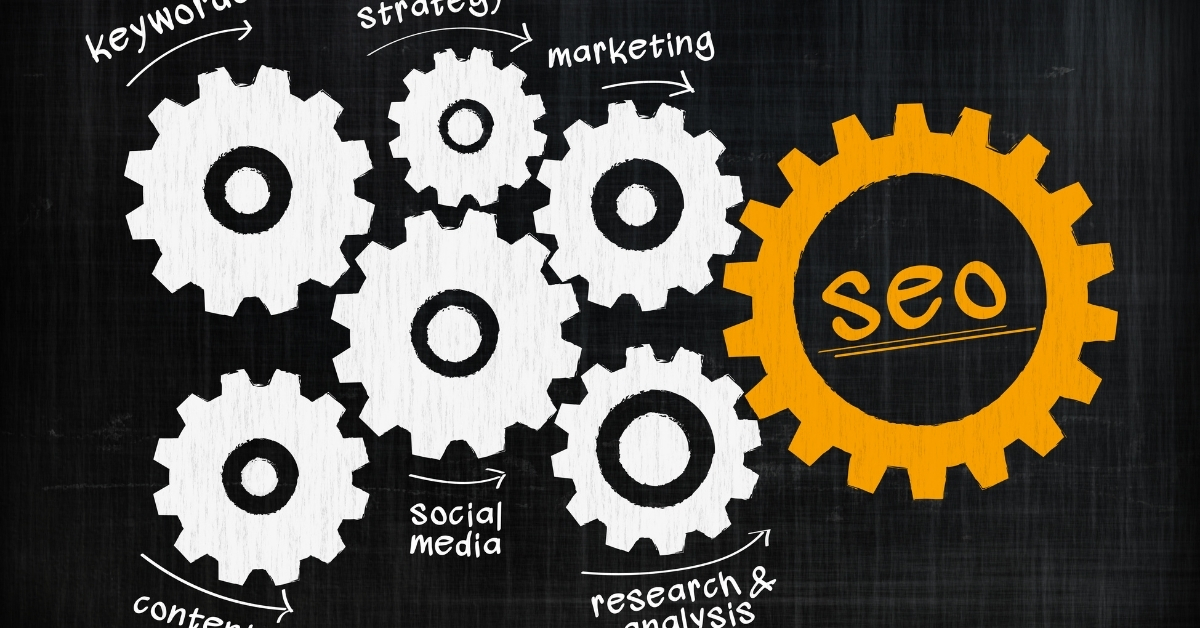
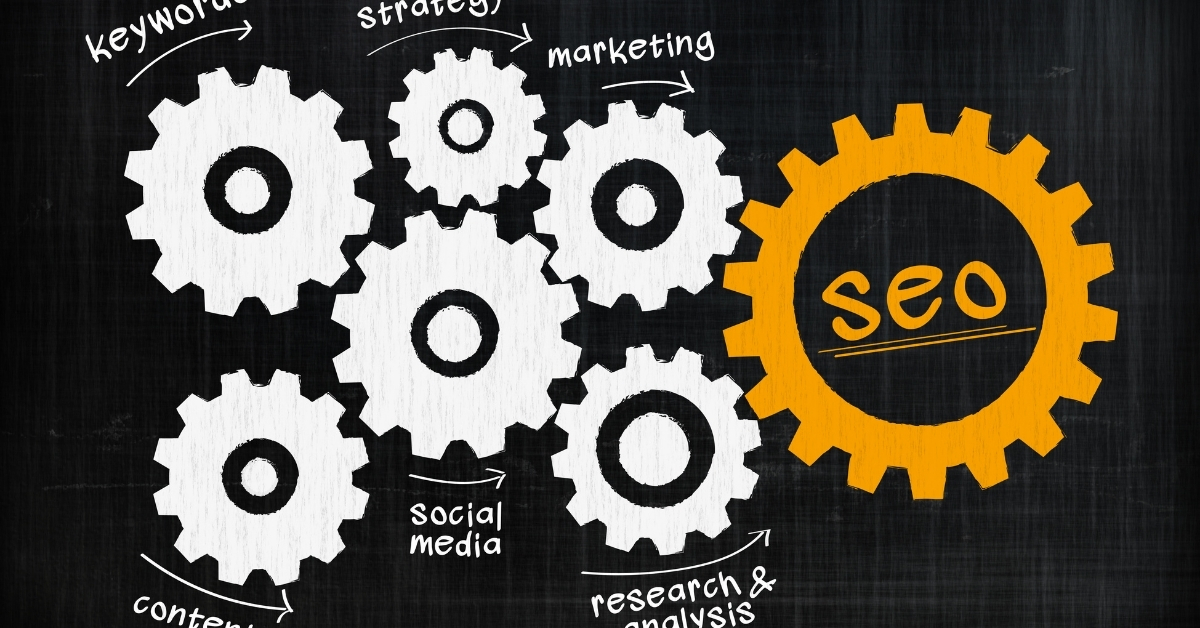
Professional SEO services typically involve multiple processes working together to strengthen a website’s performance. These include technical audits, keyword research, content development, on-page optimization, and link-building campaigns. Search engines such as Google constantly refine their algorithms to deliver more relevant results, making structured SEO strategies essential for long-term online success.
What Are SEO Services?
SEO services refer to professional activities that improve a website’s ranking and visibility in search engine results pages (SERPs). These services focus on optimizing website structure, content, authority signals, and technical performance to align with search engine algorithms.
Search engines evaluate websites based on hundreds of ranking signals. SEO professionals analyze these signals and implement improvements to help websites perform better in organic search listings. According to the official guidelines from Google Search Central, optimization should prioritize users while ensuring search engines can properly crawl, understand, and index website content.
The scope of SEO services typically includes:
- Website optimization
- Search intent alignment
- Content quality improvements
- Technical performance optimization
- Authority and trust signal development
These elements collectively influence how search engines rank pages.
Why SEO Services Matter for Modern Websites
Digital competition continues to grow as more businesses move online. A website without proper search optimization struggles to attract organic traffic, regardless of how visually appealing it may be.
SEO services help businesses accomplish several strategic objectives.
Key Benefits of SEO Services
| Benefit | Explanation |
|---|---|
| Increased organic traffic | Improved rankings lead to higher visibility in search results |
| Higher brand credibility | Users trust websites that appear at the top of search results |
| Sustainable marketing growth | SEO generates traffic without ongoing advertising costs |
| Improved user experience | Optimization improves site speed, navigation, and content clarity |
| Competitive advantage | Businesses outperform competitors in search rankings |
Unlike paid advertising, organic visibility generated through SEO continues to deliver value over time.
Core Components of SEO Services
SEO services typically consist of several interconnected disciplines. Each component plays a unique role in improving search visibility.
1. Keyword Research
Keyword research is the foundation of every optimization strategy. It involves identifying search terms that potential customers use when looking for information or services online.
SEO professionals analyze search volume, competition level, and search intent to determine which keywords offer the most strategic opportunities.
Example keyword categories include:
- Informational queries
- Transactional queries
- Navigational queries
- Commercial investigation queries
Understanding these categories helps businesses create content that aligns with user needs.
2. On-Page Optimization
On-page optimization focuses on improving the elements within a website’s pages to make them more search-friendly.
Important on-page factors include:
- Title tags
- Meta descriptions
- Header structure
- Content relevance
- Internal linking
- Image optimization
A properly optimized page clearly communicates its topic to search engines while providing value to readers.
3. Technical SEO
Technical SEO ensures that a website can be efficiently crawled and indexed by search engines.
Technical optimization typically addresses:
- Site speed
- Mobile responsiveness
- Structured data
- XML sitemaps
- Secure HTTPS connections
- Crawlability issues
Without a strong technical foundation, even high-quality content may struggle to rank.
4. Content Strategy
Content is one of the most influential ranking factors in modern search algorithms. Search engines prioritize informative, relevant, and authoritative content that satisfies user intent.
Content optimization often involves:
- Blog articles
- Educational guides
- Resource pages
- Product descriptions
- Frequently asked questions
A strategic content plan helps websites cover topics comprehensively, improving topical authority.
5. Link Building
Backlinks remain a major ranking signal. A backlink occurs when another website links to a page.
Search engines interpret backlinks as indicators of credibility and authority.
Effective link-building strategies may include:
- Guest posting
- Digital PR campaigns
- Resource link outreach
- Industry partnerships
- Content promotion
However, link quality matters far more than link quantity.
Types of SEO Services
SEO services can be categorized into several specialized areas.
| SEO Category | Focus Area |
|---|---|
| On-Page SEO | Content optimization and page structure |
| Off-Page SEO | Backlinks and authority signals |
| Technical SEO | Website infrastructure and performance |
| Local SEO | Optimizing for location-based searches |
| E-commerce SEO | Product and category page optimization |
Each type contributes to a comprehensive optimization strategy.
How Search Engines Evaluate Websites
Search engines rely on algorithms to determine which pages deserve top rankings.
Although algorithms are complex, most ranking signals fall into three broad categories.
Relevance
Search engines analyze whether a page matches the search query. Factors influencing relevance include keyword placement, content depth, and semantic relationships.
Authority
Authority reflects how trustworthy and credible a website appears. Backlinks from reputable websites strongly influence this signal.
User Experience
User engagement metrics such as page speed, mobile usability, and navigation structure affect rankings because they influence how users interact with a site.
The SEO Process: Step-by-Step
Professional SEO services typically follow a structured workflow.
Step 1: Website Audit
An audit identifies technical problems, content gaps, and structural weaknesses that affect rankings.
Typical audit areas include:
- Page indexing status
- Broken links
- crawl errors
- duplicate content
- loading speed
Step 2: Keyword Strategy Development
After the audit, SEO specialists identify target keywords aligned with business goals and audience intent.
The strategy typically includes:
- primary keywords
- secondary keywords
- long-tail search phrases
- topical clusters
Step 3: Content Optimization
Content optimization ensures pages provide useful information while aligning with search intent.
This process often involves:
- rewriting outdated content
- adding topical depth
- improving readability
- incorporating relevant keywords naturally
Step 4: Technical Improvements
Technical adjustments ensure search engines can properly crawl and index the website.
Common technical improvements include:
- fixing crawl errors
- optimizing page speed
- improving mobile usability
- implementing structured data
Step 5: Authority Development
SEO campaigns strengthen website credibility by earning high-quality backlinks and citations.
Authority development can involve:
- outreach campaigns
- digital PR
- industry collaboration
- content promotion
SEO vs Paid Advertising
Many businesses wonder whether SEO or paid advertising is the better strategy. Both approaches offer benefits, but they serve different purposes.
| Factor | SEO | Paid Ads |
|---|---|---|
| Traffic source | Organic search | Sponsored results |
| Cost structure | Long-term investment | Pay per click |
| Time to results | Gradual | Immediate |
| Sustainability | Long-lasting visibility | Stops when ads stop |
| Trust factor | High user trust | Lower perceived trust |
SEO is often considered a long-term growth strategy, while advertising provides short-term visibility.
Common SEO Misconceptions
Many misconceptions still surround search engine optimization. Understanding the realities of SEO helps businesses avoid ineffective strategies.
Misconception 1: SEO Produces Instant Results
SEO requires consistent optimization and time for search engines to recognize improvements.
Misconception 2: Keyword Stuffing Improves Rankings
Excessive keyword repetition often harms rankings because search engines prioritize natural, helpful content.
Misconception 3: SEO Is a One-Time Task
Search engine algorithms change frequently. Continuous optimization is required to maintain strong rankings.
Practical Example of SEO Impact
Consider a small online business selling handmade products.
Before implementing SEO:
- Website traffic was limited
- Search visibility was minimal
- Most customers came from social media
After implementing SEO strategies:
- optimized product pages
- added educational blog content
- improved technical performance
- built industry backlinks
Within several months, organic traffic increased significantly, and the website began ranking for multiple product-related search queries.
Indicators of Successful SEO Services
Businesses can evaluate SEO performance through several measurable indicators.
Key SEO Metrics
| Metric | What It Measures |
|---|---|
| Organic traffic | Number of visitors from search engines |
| Keyword rankings | Position of targeted search queries |
| Click-through rate | Percentage of users clicking search results |
| Backlink profile | Quantity and quality of incoming links |
| Conversion rate | Percentage of visitors completing desired actions |
Monitoring these metrics helps businesses refine their optimization strategies.
Future Trends in SEO
Search engine optimization continues evolving as technology advances and user behavior changes.
Several trends are shaping the future of SEO.
AI-Driven Search Algorithms
Artificial intelligence enables search engines to better understand user intent and contextual meaning.
Voice Search Optimization
Voice queries often differ from typed searches, requiring content optimized for conversational language.
Search Experience Optimization
Modern optimization strategies increasingly focus on overall user experience rather than isolated ranking factors.
Semantic Search
Search engines now interpret relationships between topics rather than relying solely on individual keywords.
Conclusion
SEO services represent a foundational element of modern digital marketing. Businesses that invest in structured optimization strategies gain long-term advantages in search visibility, website traffic, and brand authority.
Effective SEO requires a combination of technical expertise, strategic planning, and high-quality content development. Organizations that approach optimization systematically are better positioned to compete in increasingly crowded search results.
This article introduced the fundamental principles of SEO services, including their core components, strategic benefits, and operational processes. The following articles in this cluster will explore specific aspects of SEO in greater depth, including specialized optimization techniques, advanced strategies, and expert-level insights that help businesses maximize their search engine performance.